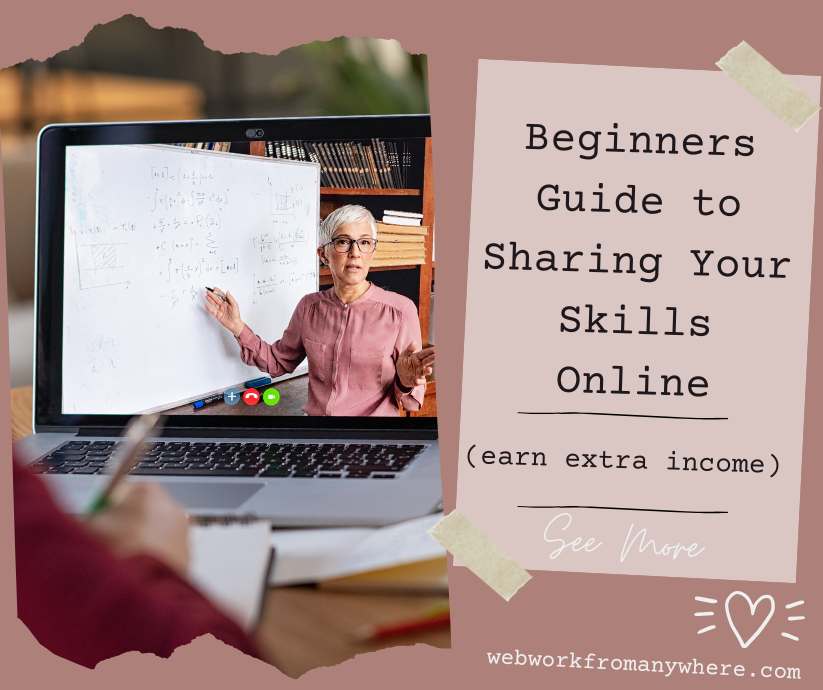
You’ve spent years gaining experience others wish they had – and now, you can get paid to share it. No classroom, no credentials needed. Just your real-life know-how, delivered online, on your terms.
In this Beginner’s Guide to Sharing Your Skills Online, you’ll learn how to turn your wisdom into income – from home, or anywhere.
- 1. How Can I Make Money from Sharing My Skills?
- 2. Why Is This Perfect for People Over 50?
- 3. What Are Your Main Paths for Sharing Skills?
- A) Teach Practical Skills and Hobbies
- B) Life Coaching and Personal Guidance
- 4. How Do You Choose Which Path Fits You?
- 5. What Do You Actually Need to Get Started?
- 6. FAQ – Beginners Guide to Sharing Your Skills Online
- Start With One Simple Step This Week
Hi Friends – This post contains affiliate links. I may earn a small commission at no extra cost to you. Thank you for your support.
1. How Can I Make Money from Sharing My Skills?
It’s a simple idea: get paid to teach what you know. Whether it’s a skill you’ve mastered or a challenge you’ve overcome, your experience becomes the product – no inventory, shipping, or storefront needed.
You package your know-how into coaching sessions, workshops, or online courses, then share it through video calls or recordings. People pay to learn from you, on your schedule.
2. Why Is This Perfect for People Over 50?
You’ve got something that can’t be faked: real-life experience. You’ve solved problems, gained perspective, and built wisdom – and that’s exactly what learners are looking for.
They don’t just want facts; they want guidance from someone who’s been there.
Plus, this kind of business is low-cost, flexible, and totally remote – perfect for working from home or wherever life takes you.
3. What Are Your Main Paths for Sharing Skills?
There are two popular ways to build a skill-sharing business:
- Teaching hobbies and skills
- Life coaching
Your choice depends on your expertise and how you prefer helping people…
A) Teach Practical Skills and Hobbies

This path works if you can teach someone to DO something specific, for example, play guitar, bake sourdough, use Excel, speak Spanish, take better photos, or master any hobby you’ve spent years practicing.
Where to teach your skills
a) Established Teaching/Learning Platforms
- Skillshare, Udemy and Alison have millions of people actively searching for classes.
- With students already waiting, these are the easiest ways to start teaching.
- You upload your course once and earn as students enroll.
- This is perfect for beginners who want to avoid marketing.
b) Build Your Own Course Platform
- Create your own course platform on Kajabi or LearnWorlds.
- Gives you more control over pricing, branding, and student experience.
- You build your own audience through marketing, email lists and social media.
c) Combine Two Free Platforms
Instead of juggling multiple options, begin with YouTube for content and a Facebook Group for community.
- YouTube: Share tutorials, tips, and stories to attract an audience.
- Facebook Group: Build a space for discussion, Q&A, and deeper connection.
This combo gives you visibility and engagement without overwhelming tech or marketing tasks.
This ‘Teach Practical Skills and Hobbies’ path suits people who enjoy structured teaching, have demonstrable skills, and like creating step-by-step instruction.
>>Click here to explore all my tips and guides on teaching hobbies
- What Hobbies Can I Teach Online? (Turn Your Craft into Profit)
- Hot Tips to Boost Your Hobby Teaching Income
- Popular Hobbies To Teach Online (+ make money)
B) Life Coaching and Personal Guidance

This path works if you naturally help people figure out what to do next or navigate difficult transitions.
You’re not teaching specific skills – you’re providing clarity, accountability, and strategic guidance.
Life coaching focuses on helping people through:
- career changes
- retirement transitions
- relationship challenges
- health goals
- personal development.
You listen deeply, ask powerful questions, and guide people toward their own solutions.
The work happens primarily through one-on-one video conversations, though many coaches also run group programs where multiple clients work together.
Getting started as a coach
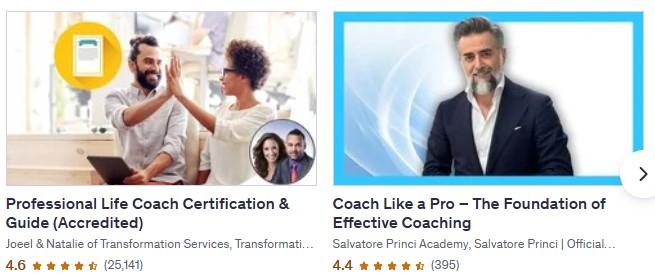
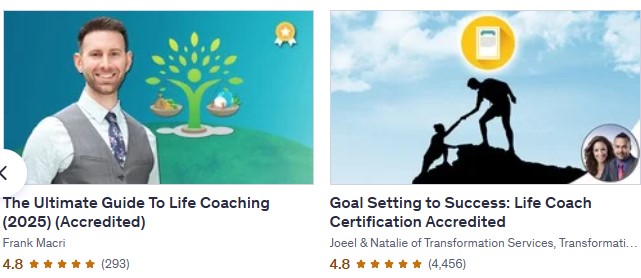
You don’t legally need certification, though programs like those offered by the International Coach Federation add credibility and teach proven methodologies.
You can also do courses through Coach Training Alliance and Udemy offer accredited life coach training
Many successful coaches start without formal training. Your own life experience overcoming challenges qualifies you to guide others facing similar situations. (But I recommend your take a course).
The retirement you navigated, the career transition you made – these are also your credentials!
This ‘Life Coaching and Personal Guidance’ path suits natural listeners, problem-solvers, and people who’ve overcome significant challenges they can now help others navigate.
>>Click here to explore all my tips and guides on life coaching
- Simply.Coach Vs Paperbell (Which Coaching Platform Is Best?)
- Simply.Coach Review for Beginners
- Paperbell Coaching Review for Beginners
- How to Attract Coaching Clients Online Without Feeling Salesy
- 6 Best Online Life Coaching Platforms
4. How Do You Choose Which Path Fits You?

Ask yourself these questions to clarify your direction:
a) What type of expertise do you have?
- If you can teach someone to DO something specific, you’re a skills teacher.
- If you help people figure out WHAT to do or HOW to navigate transitions, you’re a coach.
b) How do you prefer helping people?
- Teaching follows a curriculum and structured process.
- Coaching is conversational – you listen, ask questions, and guide discovery.
c) What transformation can you deliver?
- Skills teaching gives people specific new abilities like “now you can knit a scarf.”
- Coaching delivers clarity and action plans like “now you know your next career move.”
The clearest indicator? If people ask you “how do I do X,” you’re a teacher. If they ask “what should I do about Y,” you’re a coach.
5. What Do You Actually Need to Get Started?

- A computer with reliable internet and Zoom for sessions.
- Payment processing via PayPal or Stripe.
- A clear description of who you help and how – that’s your marketing message.
- 2–3 hours a week to begin.
Helpful extras: a simple website or social profile, scheduling software like Calendly, and template agreements for best business practice.
Start lean – you’ll learn what you need by doing, not by over-preparing.
6. FAQ – Beginners Guide to Sharing Your Skills Online
Q. Who would actually pay ME to teach or coach them?
People who are where you were 5-10 years ago. You don’t need to be the world’s top expert – just a few steps ahead.
Your experience solving problems makes you valuable to those still struggling with them.
Q. Don’t I need teaching experience or coaching certification?
For skills teaching, no formal requirements exist – just competence and the ability to explain clearly.
For coaching, certification helps but isn’t required. Start helping people for free or low-cost to build experience.
Q. How do I find my first clients or students?
- Start with your network – tell friends and family what you’re offering.
- Share free tips on social media or a simple blog.
- Join online communities where your ideal students gather.
- Your first few clients lead to referrals.
Q. What if I’m not tech-savvy enough?
You need video calling, email, and payment processing – that’s it. If you can video chat with grandchildren, you have sufficient skills. Everything else you’ll learn gradually.
Q. Can I really make a living from this?
Yes, but it takes time. Most people start part-time alongside other income, then transition to full-time as their client base grows through results and referrals.
It’s a build-your-reputation business, not a get-rich-quick scheme.
Start With One Simple Step This Week
Pick the path that fits your expertise: teaching practical skills or coaching through life transitions.
Then take one small action:
- tell three friends what you’re planning
- write a simple description of who you help and how
- watch one tutorial on your chosen platform
Your years of experience aren’t just memories. They’re valuable expertise that can help others while creating meaningful income for you.
More Tips and Guides
- Simply.Coach Vs Paperbell (Which Coaching Platform Is Best?)

- Simply.Coach Review for Beginners
- How to Attract Coaching Clients Online Without Feeling Salesy

- 6 Best Website Builders for Your Online Business

- 6 Best Online Life Coaching Platforms

- Market Your Coaching Business Without Spending a Fortune