Dropshipping vs print on demand? Both promise a simple way to start selling online without buying stock upfront. But they’re not equal… and one may suit you far better than the other…
- 1. What Is Dropshipping?
- 2. What Is Print-on-Demand?
- 3. Do I Need to Be Tech-Savvy?
- 4. How Much Does It Cost to Start?
- 5. Which One Makes More Money?
- 6. How Much Time Does It Take?
- 7. What If Something Goes Wrong with an Order?
- 8. Can I Get a Refund If It’s Not for Me?
- 9. Which One Has Less Risk?
- 10. So Which One Is Right for You?
Start Here > E-commerce and Products > Dropshipping > Print-on-Demand > Amazon FBA > Subscription Box > Promotion > Email Marketing > Social Media Marketing > Resources > Reviews
1. What Is Dropshipping?
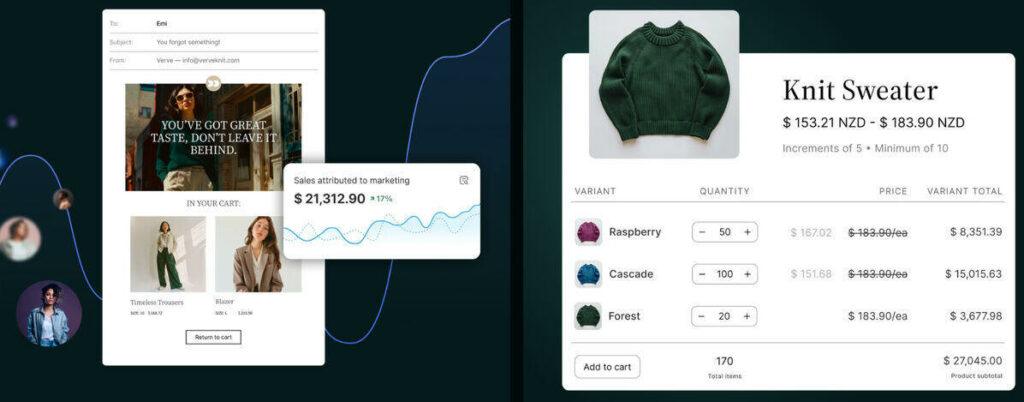
Dropshipping lets you run an online shop without ever touching a product.
When a customer buys from your store, the order goes straight to a supplier who packages and ships it directly to them.
You’re the connector – and you keep the difference in price as your profit.
See my Guide to Dropshipping here>>
2. What Is Print-on-Demand?
Print-on-demand (POD) is similar, but with a creative twist.
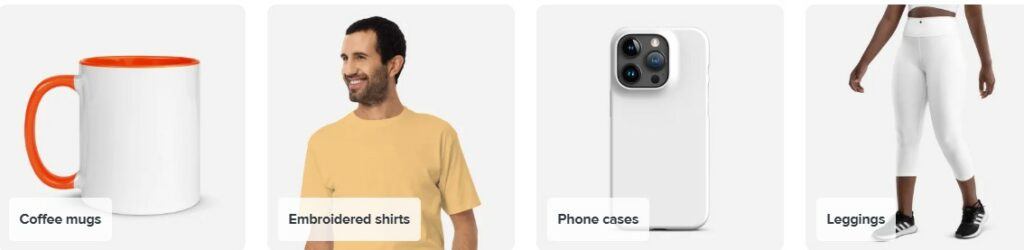
You upload your own designs onto products – T-shirts, mugs, tote bags, phone cases, wall art – and when someone orders, the platform prints and ships it for you.
Nothing is made until someone actually buys, so there’s no waste and no spare room full of boxes.
See my Guide to Print-on-Demand here>>
3. Do I Need to Be Tech-Savvy?
Not at all. Both models run on beginner-friendly platforms like Shopify and Etsy, which are designed for people who aren’t web developers.
If you can browse the internet and send an email, you can do either of these.
But you do need to do marketing so people can find your online store. For example, through social media marketing, like Pinterest and Facebook; and with paid online ads.
Shopify Academy offers courses on setting up your website along with marketing too. Read my full Shopify review here>>
4. How Much Does It Cost to Start?
Both are genuinely low-cost to launch – no warehouse, no bulk orders, no big upfront investment.
Most platforms have a free starter plan or a free trial, and you can always upgrade once you’re earning.
The key is starting lean and testing before you commit to anything paid.
Tip: With print-on-demand learn to create your own designs in Canva so you don’t have to pay for designers.
5. Which One Makes More Money?
Both can be profitable – just in different ways. Neither makes you rich overnight – but both can build into a real, steady income with consistency.
a) Dropshipping
Dropshipping can generate higher sales volumes because you’re selling products people are already searching for.
The trade-off is that profit margins can be slim, especially if you’re paying for advertising.
b) Print-on-Demand
Print-on-demand margins are often more generous per sale because your designs add something unique.
Build a loyal following around your style and customers come back again and again. It typically grows more slowly, but it grows more stably.
6. How Much Time Does It Take?
Dropshipping takes more hands-on time upfront – finding reliable suppliers, testing products, managing customer queries.
Once it’s running well it gets easier but expect a learning curve.
Print on demand is more flexible. Once your designs are uploaded, your main job is promoting your shop and adding new products.
If you want something that fits around your life rather than taking it over, POD often suits better.
7. What If Something Goes Wrong with an Order?
You’re the face of the business to your customers, even though you’re not handling the products. If something arrives late or damaged, they’ll contact you.
The good news – reputable print-on-demand platforms like Printful and Printify have strong quality control and will often replace faulty items at no cost to you.
Read my Printful review here>>
Read Printify Vs Printful here>>
Dropshipping can be trickier here, particularly if your supplier is overseas and shipping times are longer.
Being upfront about delivery times in your product listings helps manage expectations before any problems arise.
See Video: Print-On-Demand Vs Dropshipping
8. Can I Get a Refund If It’s Not for Me?
Most of the major platforms – Shopify, Printful, Printify – have clear refund or cancellation policies with no long-term lock-in.
You’re not signing your life away. Check the specific policy for whichever platform you choose, and look for ones that let you cancel month to month.
9. Which One Has Less Risk?
Both are low-risk compared to traditional retail. But print-on-demand edges ahead – because nothing is produced until someone orders, you can never be stuck with unsold stock.
Dropshipping carries a small risk if you pay for advertising that doesn’t convert. Starting with free promotion – sharing on social media, writing about your products – keeps your risk low while you find your feet.
10. So Which One Is Right for You?
Choose print-on-demand if you enjoy creativity, love the idea of your designs on real products, and want something you can build steadily around your existing life.
Choose dropshipping if you’re commercially minded, enjoy researching trends, and like the idea of a higher-volume sales model.
Dropshipping Vs Print-On-Demand – Your Next Step
Don’t overthink it. Pick the one that feels most like you and take one small action today:
You have the patience, the life experience, and the perspective to make either of these work. The only thing left is to start.
See Next: Sell Online Tools and Guides for Beginners
Explore More Reviews and Resources
- Alidrop Review for Beginners
- Dropshipping vs Print on Demand for Beginners
- WP Engine Vs Rocket.net for an Online Store
- Printify Vs Printful for Beginners
- Printify Review for Beginners: Is It Worth It?
- What is Shopify’s Sidekick?
- Shopify Review for Beginners
- Beginners Guide to Selling Online
- 5 Amazon FBA Tools for New Sellers Over 50 (to start earning)
- Jungle Scout Review for Beginners Over 50
- 5 Online Business ideas for Beginners (that actually make money)
- Printful Review: Pros, Cons, and Everything in Between