If you’ve been thinking about turning your knowledge into an online course – whether that’s life coaching, watercolour painting, yoga, or teaching people how to declutter their homes – you’ve probably come across Udemy. But is it the right place to start? This review will walk you through everything you need to know, especially if you’re over 50 and new to the world of online business.
- What Is Udemy and Is It Worth It for Beginners Over 50?
- Is Udemy Easy to Use for First-Time Instructors?
- Does Udemy Cost Anything to Join as an Instructor?
- What Do Other Instructors Say? Real Udemy Reviews
- Is Udemy Good Value — or a Waste of Time?
- Pros and Cons of Udemy for New Instructors (What Most Reviews Don’t Tell You)
- What Is Udemy’s Refund Policy? What Instructors Need to Know
- Who Should Use Udemy — and Who Might Be Better Off Elsewhere?
- How to Get Started on Udemy in Under an Hour
- Final Verdict: Is Udemy Worth It for New Online Instructors?
This post contains affiliate links. If you make a purchase, I may earn a small commission at no extra cost to you. I only recommend tools I truly trust!
Start Here > Share Your Skills > Coaching > Teach Hobbies > Email Marketing > Social Media Marketing > Resources > Reviews
1. What Is Udemy and Is It Worth It for Beginners Over 50?
Udemy is one of the world’s largest online learning marketplaces.
As a teacher (they call you an “instructor”), you:
- create a video course
- upload it to the platform, and
- Udemy helps get it in front of millions of learners worldwide
The best part? You don’t need a big audience, a website, or any tech experience to get started.
Udemy handles: the platform, the payment processing, and a good chunk of the marketing.
You just need your knowledge – and everyone over 50 has plenty of that.
If you’ve ever thought “I’d love to teach what I know, but I wouldn’t know where to begin,” Udemy is genuinely one of the most beginner-friendly places to start.
2. Is Udemy Easy to Use for First-Time Instructors?
For most beginners, yes – Udemy is surprisingly straightforward.
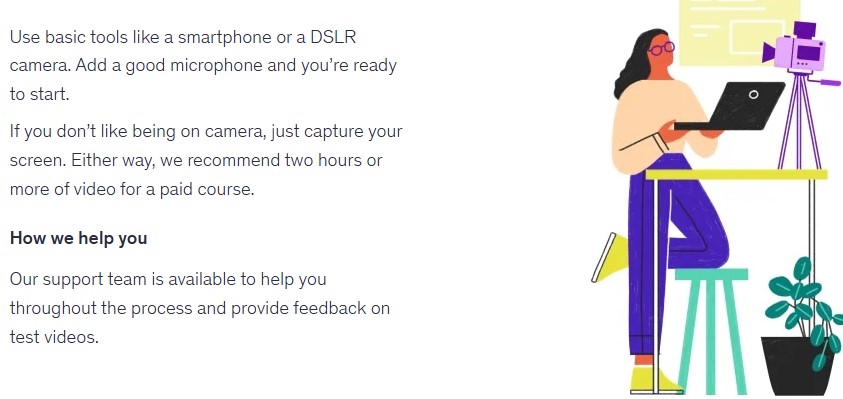
You record your lessons (even a basic phone or laptop camera works to start), upload them to the course builder, add a few quizzes or resources if you like, and submit for review.
Udemy walks you through each step with their Instructor Hub, which includes video guides and a checklist to help you launch your first course. Their support team is also responsive if you hit a snag.
That said, there is a learning curve around recording and editing video – but don’t let that put you off.
Many successful instructors started with a simple setup and improved as they went. Done is better than perfect when you’re just beginning.
3. Does Udemy Cost Anything to Join as an Instructor?
No – it’s completely free to become a Udemy instructor. There are no monthly fees, no upfront costs, and no subscription required.
You create your account, build your course, and only when a student buys it does Udemy take a percentage.
👉 Sign up as a Udemy instructor here – it’s free
This makes it a very low-risk way to test whether online teaching is right for you before investing in anything else.

4. What Do Other Instructors Say?
Udemy instructors frequently mention two big wins:
The built-in audience and while it’s not ‘set and forget’ income, a well‑made course can continue earning long after it’s published.
Once your course is live, students can find it at any hour of the day – even while you’re sleeping or on holiday.
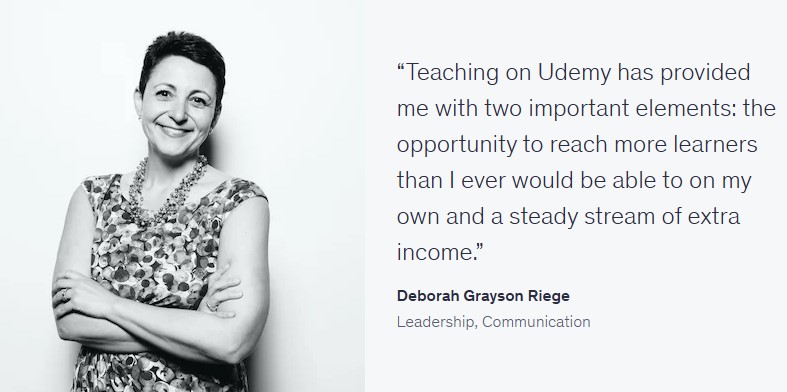
Many instructors over 50 say what surprised them most was how much people valued their life experience.
Skills that feel “ordinary” to you – running a small business, managing stress, growing vegetables, speaking a second language – are exactly what thousands of learners are searching for.
Despite mixed Trustpilot reviews – mainly from students – Udemy remains a low‑risk, beginner‑friendly place to start teaching online.
5. Is Udemy Good Value?
This depends on how you use it. Udemy is free to join, but if a student finds your course through Udemy’s own promotions or ads, you typically earn around 37% of the sale.
If you bring the student yourself using your referral link, you keep 97%.
This is actually a great reason to start building your email list now, even before your course is ready. The more students you bring in yourself, the more money you keep.
For a first course, though, Udemy’s marketplace can do a lot of the heavy lifting – and earning something is always better than earning nothing while you wait for everything to be “perfect.”
6. Udemy Vs Teachable
Teachable gives you full control over pricing and customer relationships, but it comes with monthly fees and you’re responsible for all your own marketing.
Udemy is free to start and provides a built‑in audience, which makes it a more beginner‑friendly option if you’re creating your first course and don’t yet have an email list or website.
7. Pros and Cons of Udemy for New Instructors
Pros
- Free to join with no monthly fees
- Large built‑in audience – no need to bring your own traffic
- Handles hosting, payments, refunds, and tech
- Beginner‑friendly training through the Instructor Hub
Cons
- Udemy controls pricing and discounts courses heavily
- Limited access to student emails unless they opt in
- Lower revenue share when Udemy drives the sale
- Competitive marketplace – standing out takes effort
Bottom line: Udemy works best as a starting point, not a long‑term end goal.
8. What Is Udemy’s Refund Policy?
Udemy offers students a 30-day money-back guarantee on all courses. This is Udemy’s policy, not yours – so you don’t have control over it.
The upside is that it makes students more willing to buy in the first place.
Refund rates are generally low for courses with good reviews and clear descriptions. As long as your course delivers on what it promises, most students won’t ask for their money back.
9. Who Should Use Udemy?
Udemy is a great fit if you:
- Are brand new to online teaching and want a simple, free way to start
- Want access to a large audience without building a website
- Have practical knowledge or a skill people want to learn
- Are happy to grow your income gradually
You might want to look at other options if you:
- Want full control over pricing and student relationships from day one
- Plan to run live coaching or group programmes (Udemy is video‑based)
- Already have an audience and want to keep more of the revenue
For most beginners over 50, Udemy is an excellent first step – and you can always expand to other platforms later.
10. How to Get Started on Udemy (it’s simpler than you think)
- Go to Udemy and click Become an Instructor
- Create your free account and explore the Instructor Hub
- Choose a course topic – something you already know and people ask you about
- Record a short test video (even 2–3 minutes is enough to start)
- Build your course section by section and submit it for review
You don’t need technical skills or fancy equipment – just a willingness to start.
👉 Start your free Udemy instructor account here
Final Verdict: Udemy Review for Teachers and Instructors: Is It Worth It?
IIf you have a skill or experience you’d like to teach, Udemy is one of the easiest ways to test whether people will pay for it.
It’s free to start, beginner‑friendly, and puts your course in front of a large existing audience.
The revenue share isn’t perfect, and you’ll want to build your own email list over time – but as a first step, Udemy is hard to beat.
👉 Sign up as a Udemy instructor and get your first course live
See More
- Market Your Coaching Business Without Spending a Fortune

- How to Create Your Irresistible Life Coaching Offer

- How to Find a Profitable Coaching Niche (with real examples)
- The Pros and Cons of Starting an Online Coaching Business
- Beginners Guide to Sharing Your Skills Online
- Hot Tips to Boost Your Hobby Teaching Income