What is the Definition of Evergreen Content? (And Why it Matters for Your Blog)

Picture this: you spend a whole weekend writing a detailed post about the latest social media trend of the moment. You hit publish, feeling proud. A few months later? It’s completely useless – the trend has faded, the platform has changed, and nobody is searching for it anymore. All that effort, wasted.

Now imagine a different scenario. You write a post called “How to Grow Tomatoes from Seed”, and three years later, it’s still pulling in readers every single day. That’s the magic of evergreen content, and once you understand it, it genuinely changes how you think about blogging.

Some of the links on this page are affiliate links, which means I may earn a small commission if you click through and make a purchase – at no extra cost to you. See Affiliate Disclosure Page>>

Start Here > Content Marketing > Affiliate Marketing > Email Marketing > Video Creation > Social Media Marketing > Remote Work Destinations > Resources > Reviews


1. What is Evergreen Content?

The name comes from evergreen trees – the ones that keep their leaves all year round, no matter the season.

Evergreen content works the same way. It stays useful, relevant, and readable for months or even years after you publish it.

Think about a post like “How to Sew a Button Back On.” People have been losing buttons since buttons were invented. Someone will be searching for that tutorial today, next year, and in ten years’ time. That’s evergreen content.

Contrast that with something like “The Best Black Friday Deals This Week” useful for about four days, then completely dead. Or a post about a specific app update that’s already been replaced by two newer versions.

Topical content has its place, but if your blog is built mostly on it, you’re stuck on a hamster wheel of constant updates. Exhausting!

For those of us who came to blogging a little later in life – and who have plenty of wisdom to share but don’t want to spend every waking moment chasing trends – evergreen content is an absolute gift.


2. Why Evergreen Content is Such a Smart Strategy

Here’s the thing about evergreen posts: they build momentum over time, rather than peaking and dying.

When you first publish a post, Google doesn’t really trust it yet. It takes time for search engines to evaluate your content, see that people are engaging with it, and start moving it up the rankings. Evergreen content gives you that time to mature.

Think of it like planting a fruit tree. You don’t get apples the day you plant it – but if you tend it well, you’ll be picking fruit for years.

A well-written evergreen post can sit quietly on your blog, slowly climbing the search rankings, and one day you’ll notice it’s bringing in hundreds of visitors every month without you doing a thing. That’s passive income in action.

There’s also the practical side of things. If you’re writing about topics that don’t change, you’re not constantly going back to update and fix old posts. You’ve got better things to do with your time!

And here’s a lovely bonus: evergreen content is endlessly repurposable. That post about the best exercises for people over 50?

  • Turn it into a YouTube video.
  • Pull out three tips for an Instagram graphic.
  • Record it as a short podcast episode.
  • One solid piece of evergreen content can fuel your whole content calendar for weeks.

3. What Does Evergreen Content Actually Look Like?

Evergreen content tends to fall into a few reliable categories…

How-to guides are a classic – “How to Make Sourdough Bread from Scratch” will be just as useful in five years as it is today.

Beginner’s guides work brilliantly too, especially if your audience is new to a topic.

FAQs, product reviews, personal case studies, and “best of” lists all have strong evergreen potential.

Here are Some Evergreen Examples to make it Concrete:

  • The Best Low-Impact Exercises for Women Over 60
  • How to Start a Vegetable Garden on a Budget
  • 7 Tips for Better Sleep (That Actually Work)
  • What is a French Seam? (And How to Sew One)
  • How to Write a Personal Budget in Five Simple Steps
  • The History of the Eiffel Tower
  • What Pet is Right for You? A Beginner’s Guide

Notice what these have in common? None of them have a sell-by date. Nobody is going to read “The Best Low-Impact Exercises for Women Over 60” next year and think, “Oh, this is outdated.” The advice holds.

Topics like travel, health, personal finance, gardening, cooking, and crafts are goldmines for evergreen content.

Technology is trickier – things move so fast that even a post from two years ago can feel ancient. If you do write about tech, aim for broader angles like “The Beginner’s Guide to Understanding AI” rather than specifics that will date quickly.


4. How to Find and Create Evergreen Content

a) Start by Listening to Your Audience

The best evergreen topics come directly from the questions real people are asking. Head over to Quora and search for your niche – you’ll find threads full of genuine questions that people have been asking for years.

Reddit communities (called subreddits) are another goldmine. Search for r/gardening or r/personalfinance and scroll through the most popular posts – those recurring questions are evergreen gold.

You can also simply think about what you wish you’d known when you were starting out. What do beginners in your niche always get wrong? What did it take you years to figure out? Those lessons make fantastic evergreen posts.

Before you commit to a topic, pop over to Google Trends (it’s free) and type in your idea. What you’re looking for is a flat, steady line over several years – that means consistent interest. A topic with a spike that drops off sharply is probably tied to a trend or news event.

For example, if you search “yoga” on Google Trends, you’ll see a beautifully steady line stretching back years. That’s an evergreen topic. Compare that to something like “fidget spinners” – a dramatic peak in 2017, then almost nothing. Definitely not evergreen!

c) Do Your Keyword Research

Once you’ve settled on a topic, it’s time to find the right keywords – the actual phrases people are typing into Google.

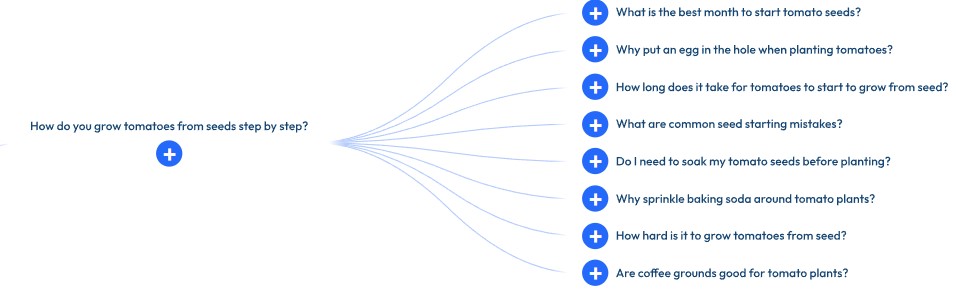
You want to find long-tail keywords, which are longer, more specific phrases like “how to grow tomatoes in pots on a balcony” rather than just “tomatoes.”

Long-tail keywords have less competition, which means it’s much easier to rank for them when you’re just starting out.

AlsoAsked Search Example
AlsoAsked KeywordSearch Example

d) Keyword Tools

A great free tool for this is AlsoAsked – type in your topic and it generates dozens of questions and phrases that real people are searching for. It’s genuinely eye-opening. (3 free searches per day).

For more detailed research, tools like Semrush or Ahrefs show you search volumes and competition levels. Even Google’s own search bar is useful – start typing your topic and notice the autocomplete suggestions. Those are real searches.

Jaaxy (part of Wealthy Affiliate) quickly shows you search volume, traffic potential, and competition so you can pick keywords that are actually worth targeting. Its metrics makes it easy to spot low‑competition keywords you can realistically rank for.

The key numbers to look for are: reasonable monthly searches (even 100-500 per month is worthwhile for a niche blog), and low competition so you actually have a chance of ranking.

You can try Keyword Research for Free with Jaaxy here:

e) Check What’s Already Ranking

Before you write, have a look at the top results for your chosen keyword.

What format are they using? Are they long, detailed guides? Lists? Videos? If every top result is a comprehensive “ultimate guide” style post, that’s your signal – don’t try to rank with a 500-word overview.

Match the format of what’s already working, but aim to make yours better, more personal, and more useful.


Evergreen Content

5. Writing Your Evergreen Post

Now for the fun part. A few things that make evergreen posts really shine:

Write for a real person, not a search engine. Imagine you’re writing to a friend who has just asked you this question over a cup of tea. Be warm, be specific, and share your own experience where relevant.

“When I first tried to grow roses, I made every mistake in the book — here’s what I wish someone had told me…” is infinitely more engaging than a generic list of tips.

Be specific rather than vague. “Exercise is good for you” is boring and forgettable. “Twenty minutes of walking after dinner can improve your blood sugar levels and help you sleep better” is specific, interesting, and useful.

Give it a great title. Numbers work brilliantly – “9 Things Every Beginner Gardener Should Know” is more clickable than “Gardening Tips for Beginners.” Questions work well too: “What Really Happens to Your Body When You Stop Eating Sugar?”

Don’t forget to link to your newer posts. Your evergreen content can act as a hub – once readers land on it, you can guide them deeper into your blog through internal links. This is also great for SEO.


6. Even Evergreen Content Needs a Little TLC

“Evergreen” doesn’t mean “write it and forget it forever.” Every year or so, it’s worth revisiting your best-performing posts to:

  • Update any statistics or data (if you cited a study from 2018, find a newer one)
  • Refresh any outdated links
  • Add a new example or tip that’s become relevant
  • Improve the images or add a helpful graphic
  • Tweak the title if you think you can do better

This kind of light maintenance keeps your content fresh in Google’s eyes and ensures your readers are always getting accurate information. It’s much less work than writing a brand new post from scratch.


Wrapping Up – What is the Definition of Evergreen Content?

If you’re building a blog – especially one you hope will generate some income – evergreen content is your foundation.

Topical posts and trending topics have their place, but they’re the frosting on the cake. Evergreen content is the cake itself!

The posts that will still be sending you readers (and potentially income) in three years’ time are the ones worth putting your best effort into.

Write something genuinely helpful, find the right keywords, and give it time to grow. It really is one of the smartest long-term strategies you can use.

As Neil Patel puts it, evergreen content is “optimized to stay relevant and drive traffic for months or even years at a time.” And once you’ve got a solid collection of it? Your blog starts working for you, even when you’re not working on it. Which, honestly, is the dream.


Have you already got some evergreen posts on your blog, or are you just getting started? I’d love to hear what topics you’re thinking of writing about – drop a comment below!


READ MORE

Leave a Comment